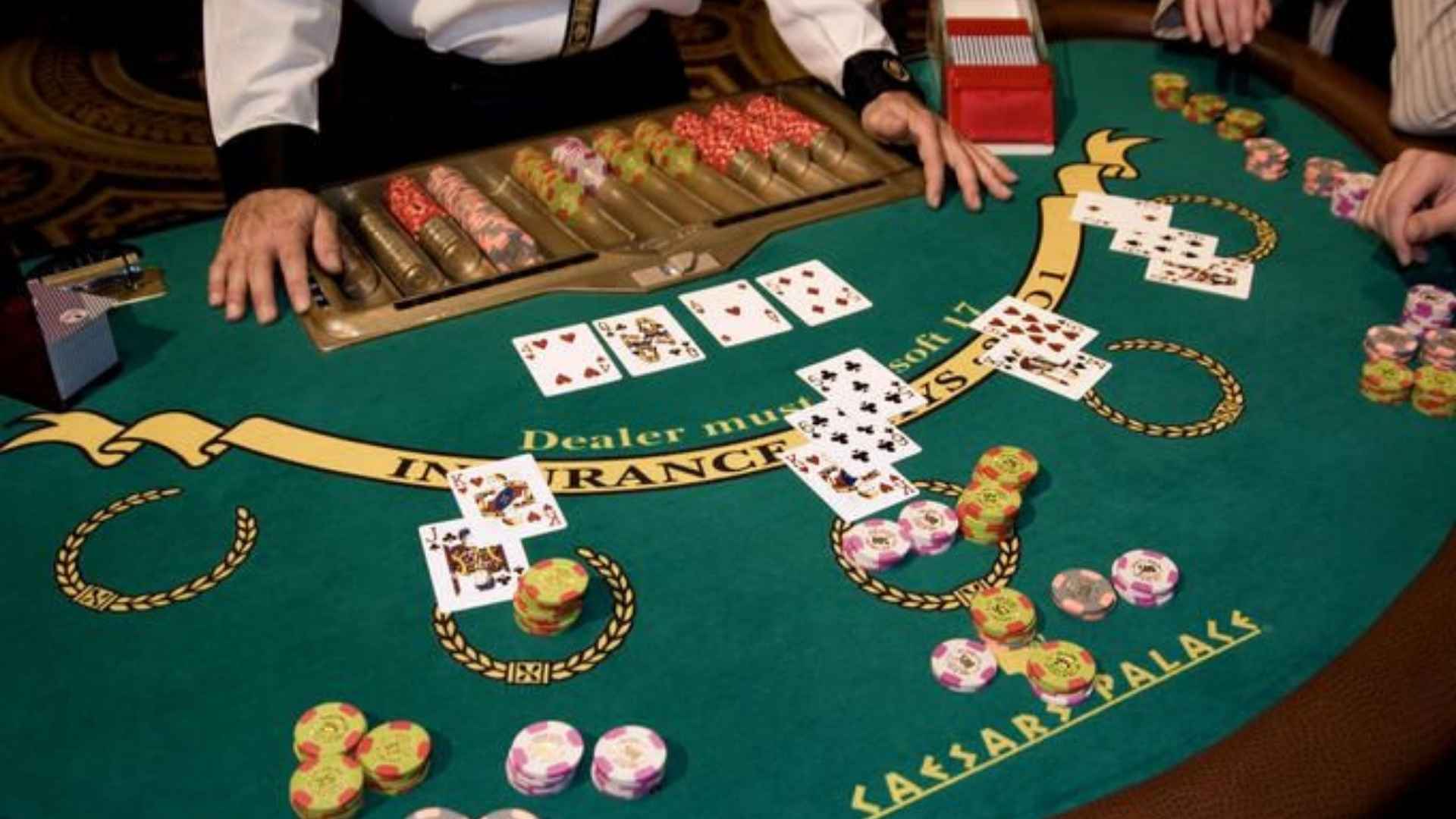
Long-term success at the poker table depends far more on psychological discipline than on short-term luck or aggressive tactics. Developing emotional stability allows players to make rational decisions regardless of variance or temporary setbacks. By understanding how mental control influences daily routines, card players can build strong routines that lead to sustained growth and consistent results.
Understanding the Role of Mindset in Routine Building
Establishing reliable habits starts with recognizing how cognitive biases affect decision-making under stress. When players learn to manage emotional triggers, they maintain higher concentration levels during crucial hands. This mental clarity helps establish structured study routines and disciplined table behavior over extended periods.
Consistency requires a commitment to reviewing past sessions without letting frustration dictate future choices. Players who track their progress objectively are better equipped to refine their overall strategy over time. Building strong habits ensures that logical analysis always triumphs over impulsive reactions during live play.
Managing Emotional Volatility During Sessions
Variance is an inherent aspect of card games that tests even the most experienced strategists. Psychological discipline prevents emotional swings from ruining a well-planned bankroll strategy or leading to costly tilt. By staying composed during bad beats, players protect their bankroll and preserve their long-term competitive edge.
Many strategy enthusiasts explore external gaming analysis platforms like link boss domino to study behavioral patterns and improve their decision-making skills. Observing how controlled play leads to steady outcomes reinforces the value of patience. Controlling internal reactions transforms temporary adversity into a opportunity for personal growth.
The Value of Structured Pre-Session Preparation
Entering a session with a clear, focused mind sets the foundation for high-level decision-making. Pre-session warm-ups, such as reviewing hand histories or setting specific behavioral goals, mentally prepare players for intense competition. This deliberate setup minimizes distractions and encourages unwavering focus from the very first hand.
Routine preparation also helps players recognize when fatigue or personal stress might negatively impact their performance. Deciding when to abstain from playing is just as crucial as knowing how to navigate complex betting rounds. A disciplined routine ultimately safeguards both mental well-being and financial capital.
Translating Mental Toughness into Long-Term Success
Psychological discipline is not a static trait, but a skill cultivated through deliberate practice and reflection. As players strengthen their emotional resilience, their ability to execute optimal strategies under pressure improves significantly. This ongoing dedication creates a positive feedback loop that solidifies professional habits.
Ultimately, players who prioritize mental fortitude achieve greater consistency in their overall performance. By adhering to structured routines and keeping emotions in check, they successfully navigate the ups and downs of competitive play. Developing solid psychological habits remains the most reliable path to mastering the game.